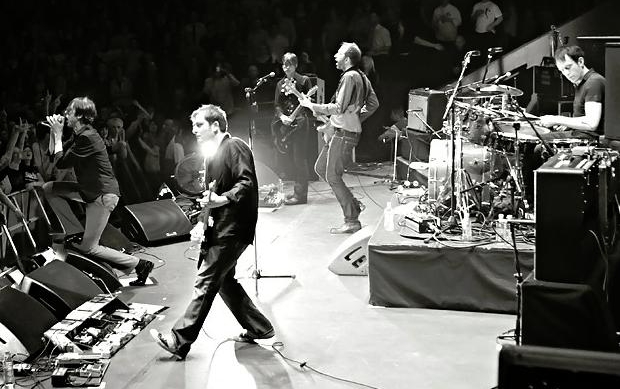
For enthusiasts of 90s British music and cryptic crosswords alike, the puzzle "Britpopleer (5) letters" often leads to a singular, definitive answer: SUEDE. This seemingly simple solution unlocks a rich narrative, placing Suede at the very heart of the Britpop phenomenon’s formative years. Before the era exploded into a media-fueled frenzy of Blur vs. Oasis, Suede emerged as a vital, shimmering spark, helping to define the aesthetic and ambition of what would become one of Britain's most beloved musical movements.
Unraveling the Britpopleer Puzzle: Suede's Definitive Role
The term Britpopleer, in this context, points directly to a foundational band of the Britpop era. Suede, with their unique blend of glam-rock theatricality, poignant lyricism, and raw sensuality, carved out a niche that was both influential and distinct. Their arrival on the scene in the early 1990s was a crucial moment, signaling a shift in the British music landscape and paving the way for the vibrant guitar-driven pop that would soon dominate the charts.
Britpop itself was more than just a musical genre; it was a cultural awakening, a "last party" for the British music industry before the digital revolution reshaped everything. It was a conscious embrace of British identity, rejecting the grunge-dominated sounds emanating from America and instead looking inwards, drawing inspiration from the rich heritage of melodic, guitar-based British pop established by legends like The Beatles and The Kinks. Suede's contribution was particularly significant because they arrived just as this shift was beginning to coalesce, providing an early template for glamour, introspection, and unapologetic Britishness.
The Pre-Britpop Landscape: Setting the Stage for a New Sound
Before Suede and the full Britpop wave crashed, the late 1980s and early 1990s were characterized by diverse sounds. The Madchester scene, with its blend of indie rock, psychedelia, funk, and dance beats, had captured the imagination, giving rise to bands like Inspiral Carpets and The Stone Roses. While these "Baggy" bands laid some groundwork, there was a yearning for something different, something with more swagger and lyrical depth. The alternative rock subgenres were flourishing, but a distinctly *British* rock identity, free from the shadows of post-punk or American influences, was yet to fully emerge.
It was into this evolving landscape that Suede stepped, alongside other nascent forces like Blur (originally known as Seymour). Blur's debut album, Leisure (1991), hinted at future directions, but Suede's formation in 1991, with their declared glam-rock inspiration, offered a more radical and immediate departure. They represented a conscious break from the baggy, acid-house-infused sounds of Manchester, opting instead for a theatrical, guitar-heavy sound reminiscent of David Bowie and Roxy Music, but filtered through a modern, often darker, lens.
Suede's Genesis: A Glamorous Departure and the First Spark
Suede's impact was almost instantaneous. Their debut single, "The Drowners," released in 1992, was met with overwhelming critical acclaim. It wasn't just a song; it was a statement. With Brett Anderson's distinctive vocal delivery, Bernard Butler's soaring, intricate guitar work, and lyrics steeped in urban melancholy and ambiguous sexuality, Suede announced themselves as a band unlike any other on the British scene. This moment is widely regarded as one of the definitive "early sparks" of the Britpop movement.
Their sound was a deliberate embrace of certain classic British rock tropes, yet delivered with a fresh, decadent twist. Suede’s initial success offered a stark contrast to contemporary events like Blur's unsuccessful American tour in 1992, which famously prompted Blur to pivot and consciously embrace a more distinctly British sound for their subsequent album. This pivot, influenced in part by bands like Suede showing the way, illustrates just how pivotal Suede's early direction was.
Key elements that made Suede's early sound so compelling and influential included:
- Glam-Rock Revival: Reinvigorating the theatricality and decadence of 70s glam, making it relevant for a new decade.
- Intricate Guitar Work: Bernard Butler's guitar playing was a masterclass in melodic invention and atmospheric texture, eschewing grunge's raw power for a more sophisticated, emotive approach.
- Androgynous Charisma: Brett Anderson's enigmatic stage presence and unique vocal style offered a captivating blend of vulnerability and defiance, challenging conventional rock masculinity.
- Lyrical Depth: Songs explored themes of alienation, desire, urban life, and romance with poetic eloquence, resonating deeply with a generation seeking more than just party anthems.
The British Reassertion: Rejecting Grunge, Embracing Identity
The year 1993 solidified Suede's position and saw the Britpop movement gain serious momentum. Suede's self-titled debut album became a colossal hit, debuting at No. 1 on the UK Albums Chart. It wasn't just a commercial success; it was a critical darling, winning the Mercury Prize and cementing their status as innovators. The album was a bold declaration of a new British sensibility, one that proudly wore its influences on its sleeve while forging a unique identity.
In the same year, Blur released Modern Life is Rubbish, an album that, as previously noted, was a direct rejection of American grunge and a deliberate redefinition of British music. Tracks like "For Tomorrow" showcased a newfound focus on observational lyricism and catchy, quintessentially British melodies. This was no coincidence; the ground laid by bands like Suede created a fertile environment for such a shift. It was also around this time that the term "Britpop" truly gained traction in the media, championed fiercely by influential music magazines like NME, who recognized the collective energy brewing among these bands.
This period marked a powerful cultural reassertion. After years of looking across the Atlantic for musical trends, Britain was once again creating its own vibrant, original sound. Suede, with their bold aesthetic and compelling music, were at the vanguard of this movement, demonstrating that British guitar bands could be sophisticated, sexy, and utterly captivating.
The Britpop Explosion and Suede's Enduring Spark
While 1994 brought the full-blown commercial explosion of Britpop with Oasis's record-breaking debut Definitely Maybe and Blur's iconic Parklife, Suede had already planted critical seeds. Their early success proved that there was a hungry audience for a return to melodic, guitar-driven pop with a distinct British flavour. Parklife, with its anthemic tracks like "Girls & Boys" and "Parklife," became the defining album of the movement's ethos, but it built upon the groundwork laid by earlier pioneers.
Pulp, another key player, also solidified their position in 1994 with His 'n' Hers, further enriching the Britpop tapestry with their tales of working-class life and observational wit. The media began to hype Britpop as a cultural force, even erroneously comparing it to a "Second British Invasion" – though, as some rightly pointed out, the British invasion of popular music never truly ended. Suede’s unique contribution remained distinct even as the genre diversified:
- Their sound maintained a darker, more introspective edge compared to the often more celebratory or cheeky tones of Blur and Oasis.
- They brought a consistent glam-rock influence that set them apart, emphasizing artistry and visual flair.
- Their lyrics delved into themes of identity and societal fringes, providing a depth that often transcended simple pop narratives.
Even as the infamous Blur vs. Oasis rivalry peaked in 1995, capturing headlines and selling millions of records, Suede continued to evolve, demonstrating that Britpop was broad enough to encompass multiple facets and sounds. For a deeper dive into the iconic bands and rivalries that shaped this era, you might find Britpopleer and Britpop: Iconic Bands, Rivalries, and Cultural Impact a fascinating read.
Beyond the Hype: Suede's Lasting Influence on Britpop's Core
Suede's role as an "early spark" of Britpop is undeniable. They weren't just another band; they were a catalyst, demonstrating the commercial and critical viability of a distinctively British, guitar-led sound at a crucial juncture. Their initial impact encouraged other bands to embrace their British identity, reject prevailing trends, and forge their own paths.
The story of Britpop is one of ambition, creativity, and a glorious celebration of British culture. Suede embodied many of the core tenets of the movement: a love for classic pop melodies, an emphasis on guitar as a central instrument, and a certain swagger and attitude. Yet, they always maintained an artistic integrity and an aesthetic that was uniquely their own. Their early success in challenging musical norms and topping the charts proved that there was an appetite for something more sophisticated and glamorous than what was broadly on offer, indirectly influencing the direction for the bands that followed.
From their distinctive sound to their compelling imagery, Suede helped lay the groundwork for a period of unparalleled creativity and cultural significance in British music. Their influence resonates still, a testament to their vision and undeniable talent.
In conclusion, when you ponder the "Britpopleer (5) letters" puzzle, the answer Suede does more than just fill a blank; it opens a door to understanding the nascent stages of Britpop. They were crucial in igniting a movement that redefined British music for a generation, proving that glamour, artistry, and a distinctly British voice could resonate globally. For a broader understanding of this revolutionary period, explore What Was Britpopleer? Exploring the 90s Britpop Music Revolution.